How a ship-to-shore crane operation utilized Process Automated Predictive Maintenance (APdM) to significantly reduce maintenance costs, extend equipment lifespan, and enhance operational safety and efficiency.
Overview
Sorba ai
SORBA.ai is an edge-native industrial AI platform running directly on-premises. It enables real-time data acquisition, AI execution, and autonomous control without cloud latency or security risks. Its hybrid architecture seamlessly synchronizes with the cloud when needed, keeping time-critical decisions local. This ensures resilient operations whether fully connected, intermittently online, or air-gapped.
SORBA.ai implemented an Automated Predictive Maintenance (APdM) system designed to transform the maintenance strategy from reactive to proactive. This system leverages advanced NCD IIoT Sensors and machine learning algorithms to continuously monitors critical equipment across operations, predicting failures before they occur.
Challenge
High maintenance costs, expensive unscheduled downtimes, and inefficiencies in ship-to-shore crane operations
The Maritime Logistics Industry faces various challenges such as equipment maintenance, operational downtime, and traditional reactive maintenance strategies were proving inadequate.
This resulted in SORBA.ai initiating the development of an Automated Predictive Maintenance (APdM) system for Rubber-Tired Gantry (RTG) and Rail Mounted Gentry (RMG) Cranes.
Key objectives
Reduce maintenance costs by preventing unscheduled downtime Extend the lifespan of vital equipment Enhance overall operational safety and efficiency
Early results have been promising, demonstrating a marked reduction in unexpected equipment failures and associated costs, alongside improvements in operational uptime and efficiency.
Equipment Impacted
1. Cranes-
Ship-to-Shore (STS) Cranes
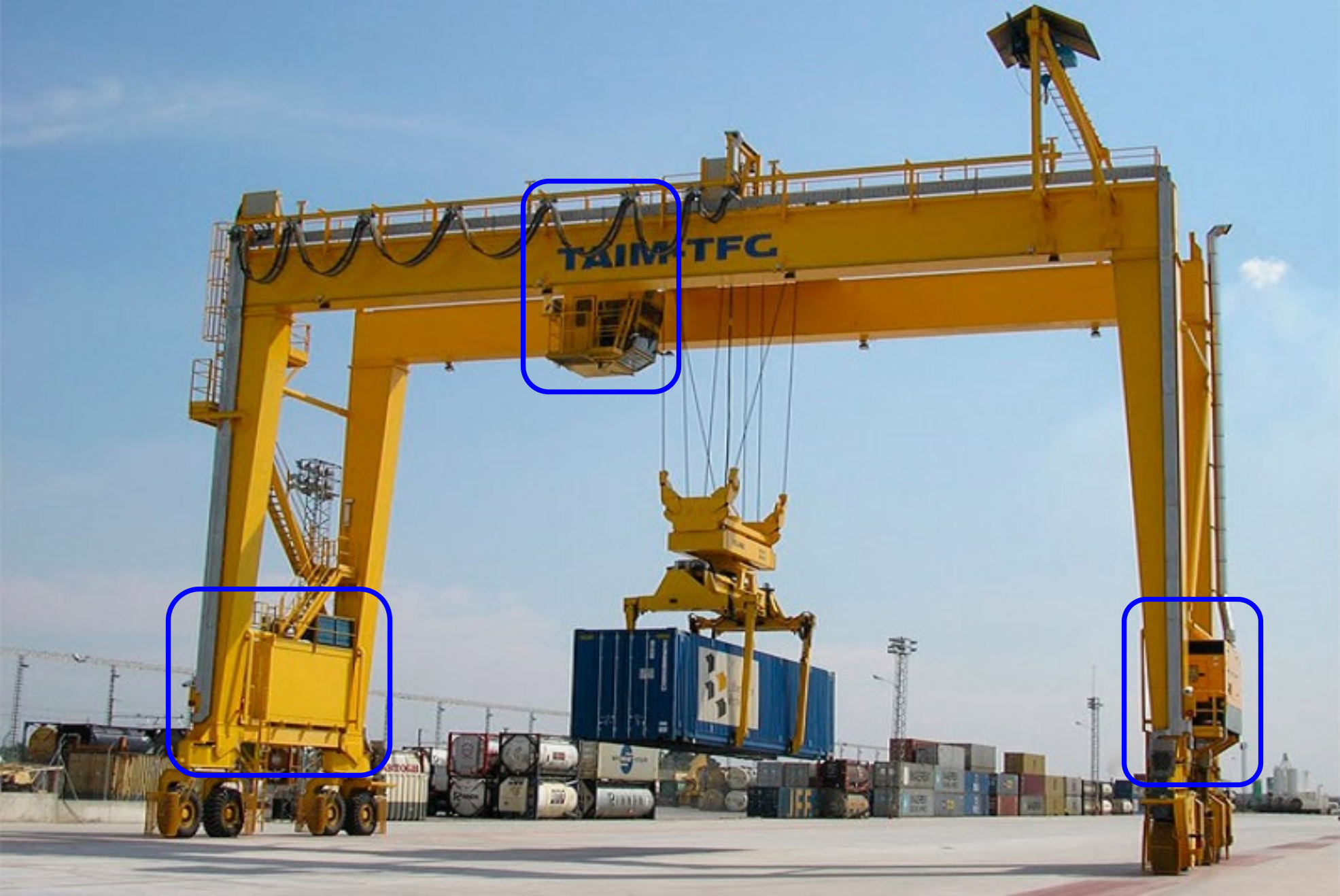
Rubber-Tired Gantry (RTG) Cranes
Rail-Mounted Gantry (RMG) Cranes
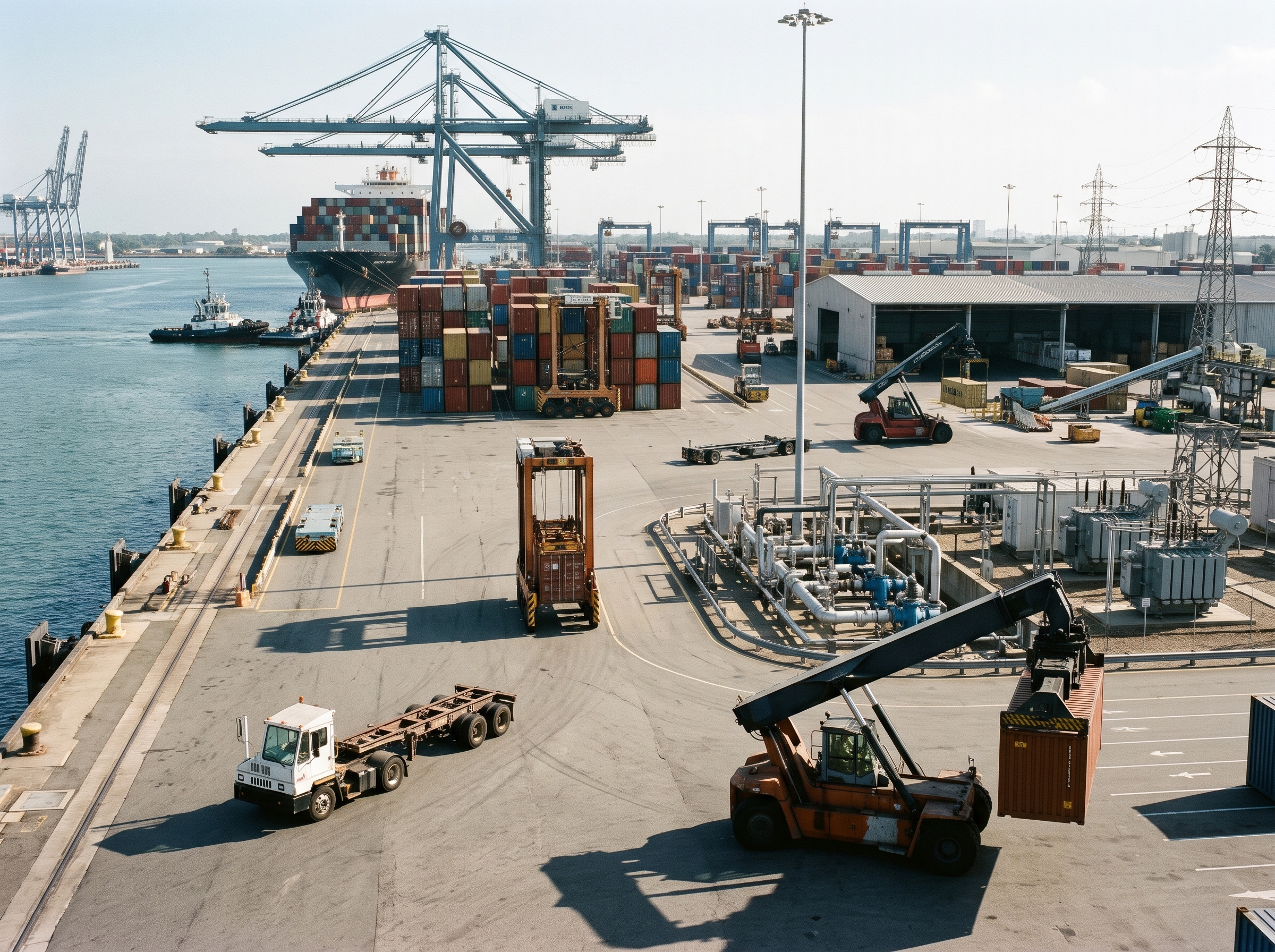
2. Conveyors- Moving bulk materials or containers within the terminal. 3. Straddle Carriers- Mobile equipment for stacking and moving containers. 4. Automated Guided Vehicles (AGVs)- Unmanned vehicles guided by automated systems for container transport. 5. Terminal Tractors and Trailers- Moving containers between quayside and storage yards. 6. Stackers-Stacking containers in the yard. 7. Reach Stackers- Container handling and stacking up to several rows deep. 8. Forklifts- Handling less containerized cargo 9. Tugboats 10. Mooring Systems- Including winches and bollards 11. Pumps and Valves- Used in bulk handling terminals for the movement of liquids and gases. 12. Electrical and Power Systems- Including substations, transformers, and distribution networks that power all terminal operations. 13. Cooling and Refrige
Solution
Automated Predictive Maintenance (APdM) system
Implementation of SORBA.ai’s Automated Predictive Maintenance (APdM) system, integrating advanced NCD IIoT Sensors and machine learning algorithms for proactive maintenance and operational efficiency improvement.
Simplifying The Design
The APdM system is designed with four key components that together ensure a proactive approach.
Sorba.ai’s Integrated PdM Framework
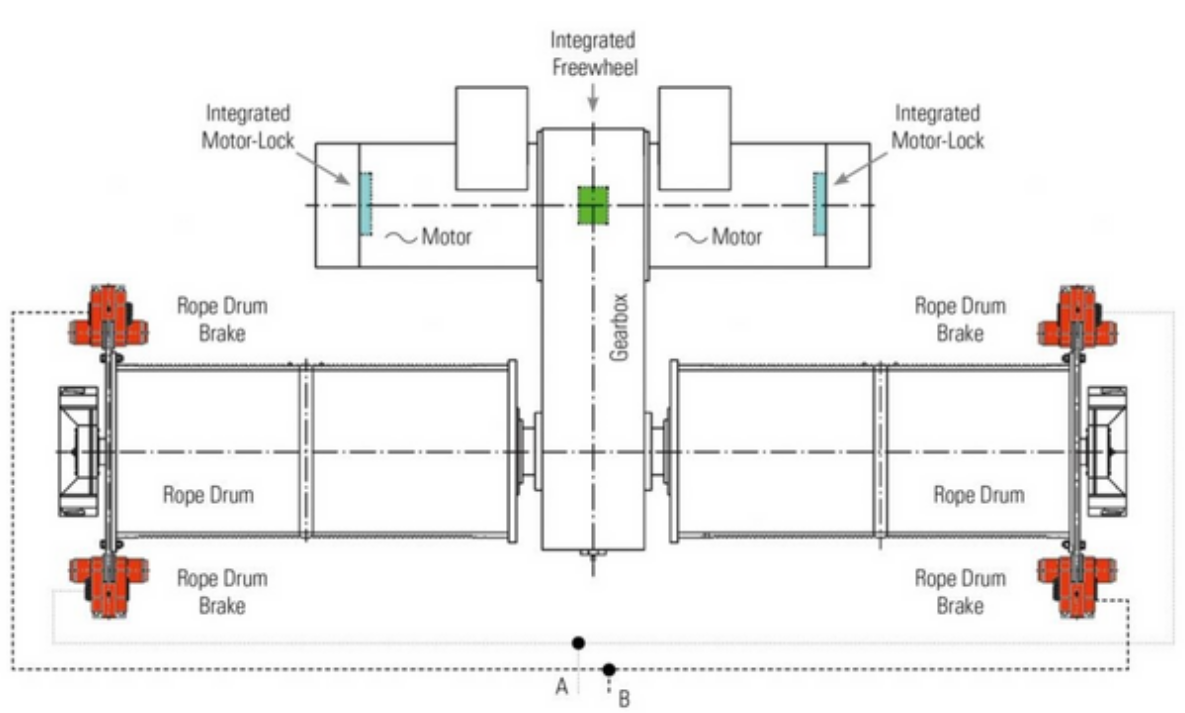
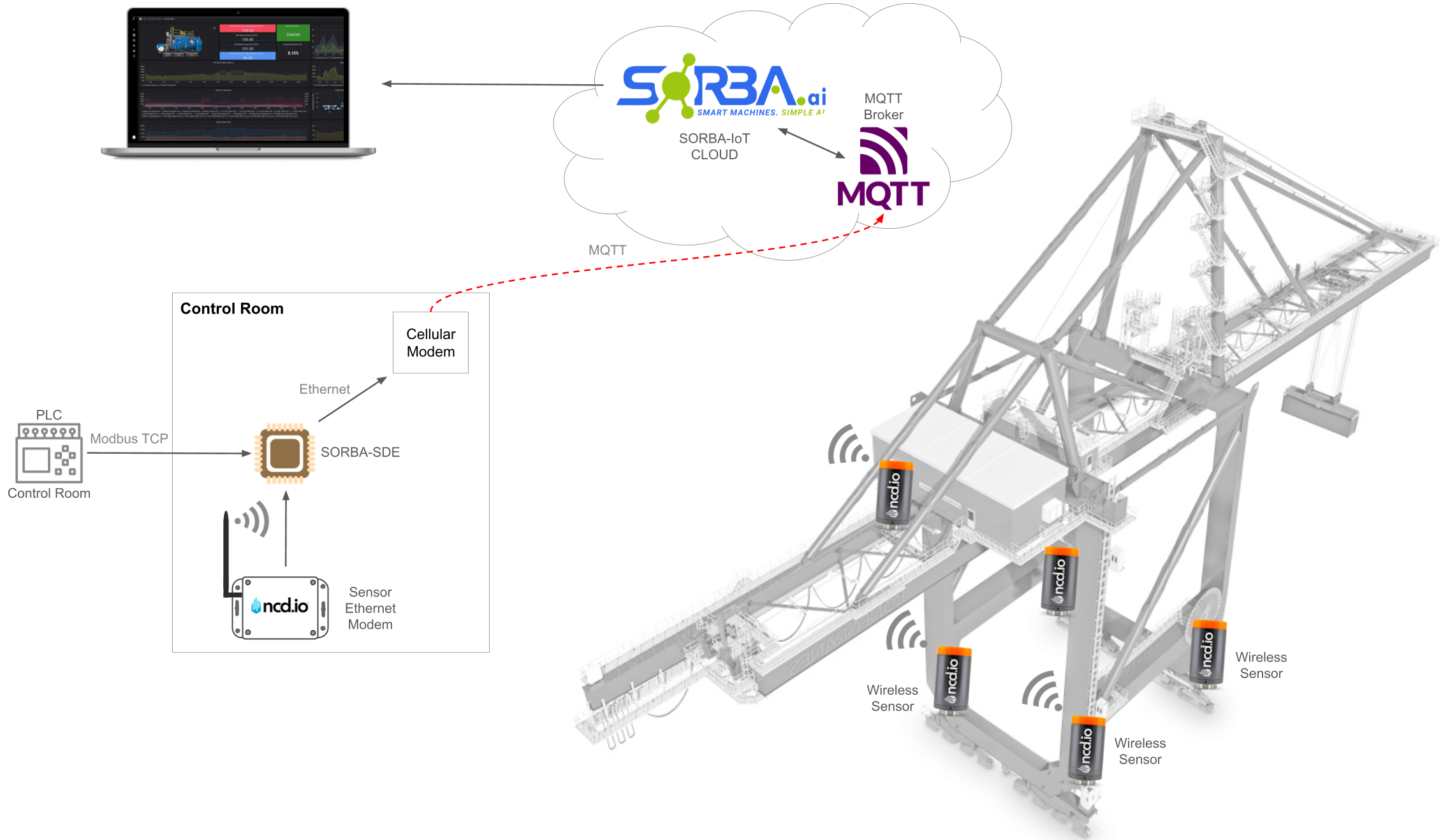
The APdM system integrates a network of sensors and IoT devices across critical equipment, collecting real-time data on equipment performance and condition.
This infrastructure is supported by a cloud-based data analytics platform, which processes and analyzes the data using advanced ML algorithms.
Data Collection and Analysis
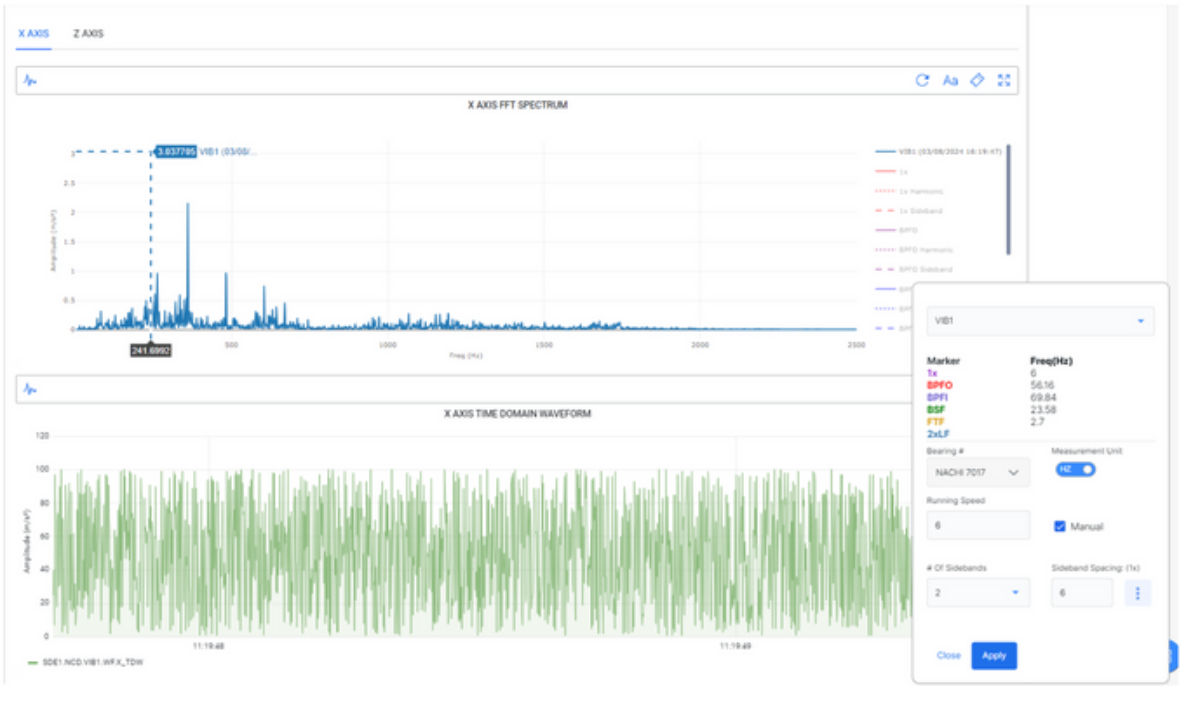
With continuous monitoring of various parameters, like vibration, temperature, and operational hours, SORBA.ai gauges equipment health. This data is then analyzed to identify patterns and anomalies indicative of potential failures, allowing for timely intervention before issues escalate.
Machine Learning Models
Utilizing ML algorithms, the system learns from historical and real-time data to predict equipment failures. These models are trained and validated on vast datasets to ensure high accuracy and reliability in failure predictions, enabling maintenance teams to act on insights with confidence.
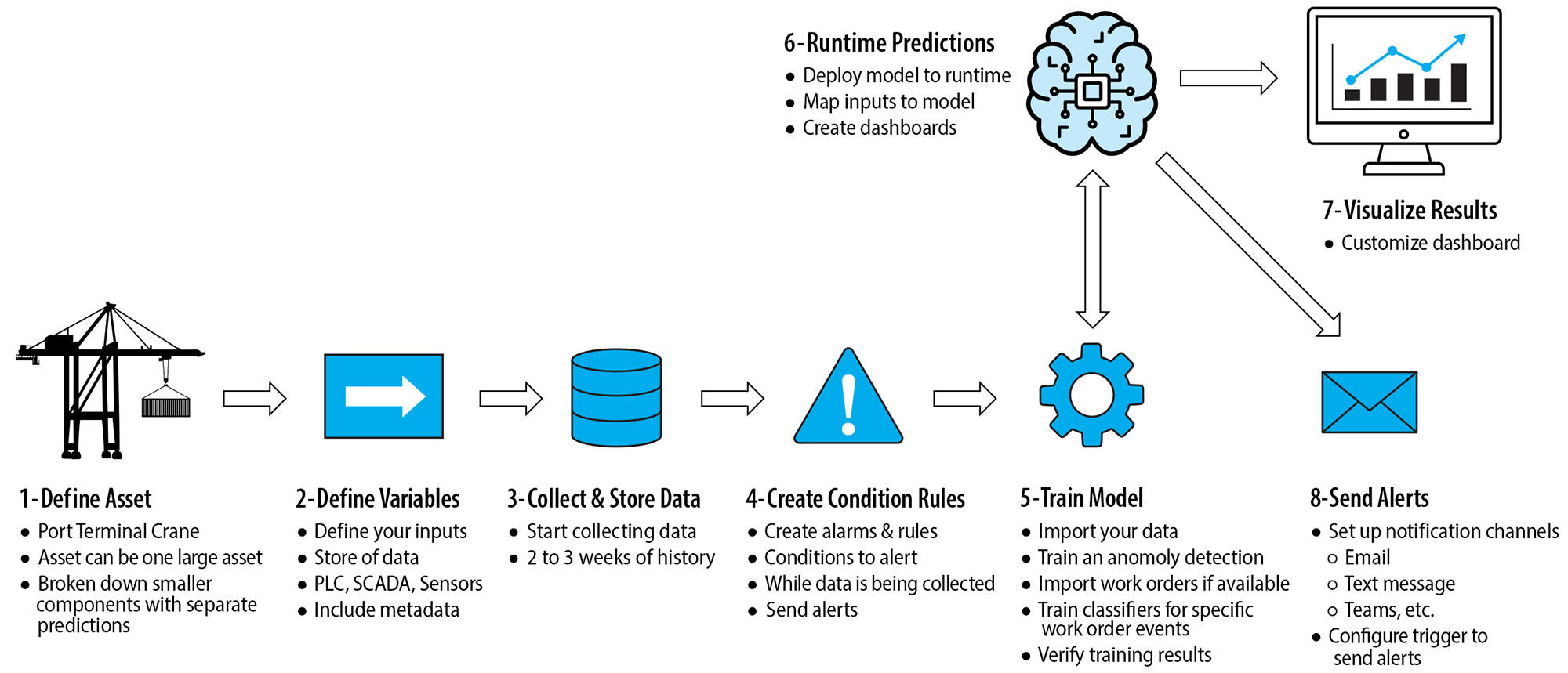
8 Steps to The Center of The Problem
Implementation
The rollout follows a phased approach, starting with a pilot phase on high-priority equipment to validate the system’s effectiveness. Upon successful validation, the system is gradually expanded to cover all critical ship-to-shore operation equipment. Throughout this process, continuous feedback loops are established to refine the ML models and system performance, ensuring that the system adapts to changing conditions and operational needs.
IIoT Architecture
Operational Results
Performance Metrics 30% reduction in unscheduled downtime. 25% decrease in maintenance costs. 15% increase in overall operational efficiency.
Return on Investment (ROI) Analysis Over 150% within the first year.
APdM Takeaways
Challenges Overcome. The initial resistance to change, particularly from operational staff accustomed to traditional maintenance practices, is a common obstacle. With comprehensive training and successful APdM results, we successfully fostered a culture more receptive to technological advancements and proactive maintenance strategies.
Best Practices. Never underestimate the importance of starting small with a pilot program. This approach allowed us to demonstrate the system’s potential impact with minimal risk, facilitating smoother company-wide adoption. Additionally, continuous engagement with maintenance teams ensured the system met real-world needs, enhancing its effectiveness and acceptance.
Adaptation and Flexibility. The implementation process underscored the need for adaptability in applying ML models to diverse equipment types and conditions. Continuous model training, using real-time and comprehensive data, was crucial for maintaining the system’s accuracy and relevance.
Collaboration. Close teamwork with operational staff is vital in developing a system that was not only technically sound, but also practical and user-friendly for all end-users.
Shaping The Future of Logistic Operations
The implementation of the APdM system marks a significant milestone. By utilizing advanced sensors, IoT technology, and machine learning algorithms, we have successfully transitioned from traditional, reactive maintenance practices to a proactive, predictive approach. This transition has not only led to substantial reductions in downtime and maintenance costs but also enhanced operational efficiency and safety.
Connect
Seeking next-generation IIoT solutions and support? Here are some next steps: